Deck: Omar Artan was expected to become a symbol of football’s global reach. Instead, his journey to the 2026 FIFA World Cup became an international controversy after U.S.
A Historic Moment Turned Into a Diplomatic Incident
It was supposed to be one of the most inspiring stories of the 2026 FIFA World Cup.
Omar Artan, a respected referee from Somalia, had earned a place among football’s elite after being selected to officiate at the tournament. His appointment marked a significant milestone not only for his career but also for Somali football, making him one of the first Somali referees to receive such recognition on the global stage.
But what should have been a celebration quickly turned into controversy.
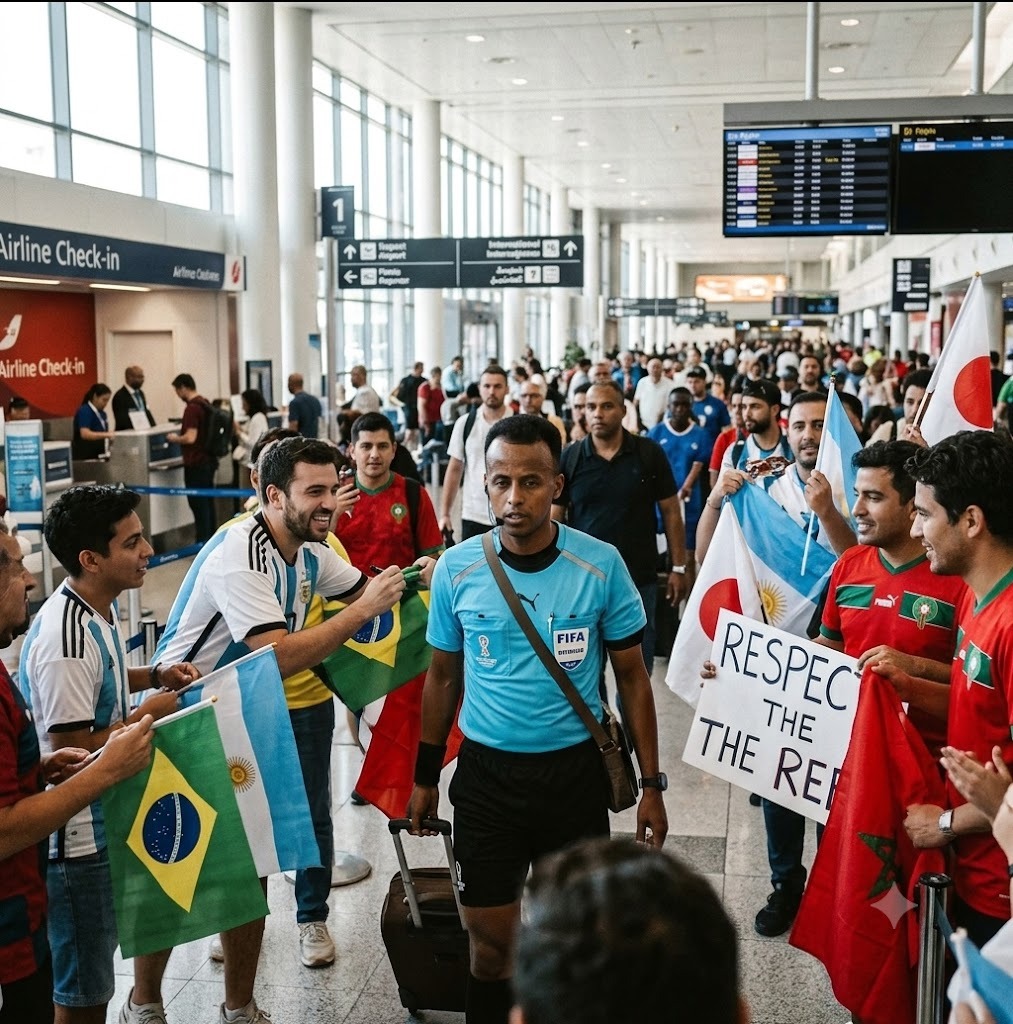
According to multiple reports, Artan arrived at Miami International Airport after traveling from Istanbul. Despite carrying valid travel documents and being scheduled to participate in pre-tournament FIFA activities, he was detained for several hours before ultimately being denied entry into the United States and placed on a return flight.
What U.S. Officials Said — And Didn’t Say
The circumstances surrounding the decision remain unclear.
Initial reports suggested that immigration authorities questioned Artan regarding prior travel history and potential security concerns. However, no formal charges were filed, and no public evidence has been presented linking him to any criminal activity.
Authorities reportedly cited administrative and security review procedures but declined to provide detailed explanations regarding the final decision.
The lack of transparency has fueled criticism among supporters, football officials, and members of Somalia’s diaspora community.
Speaking to reporters after returning home, Artan expressed disappointment over the incident.
“I came to represent my country and football at the highest level. Instead, I found myself unable to participate in an event I had worked years to reach.”
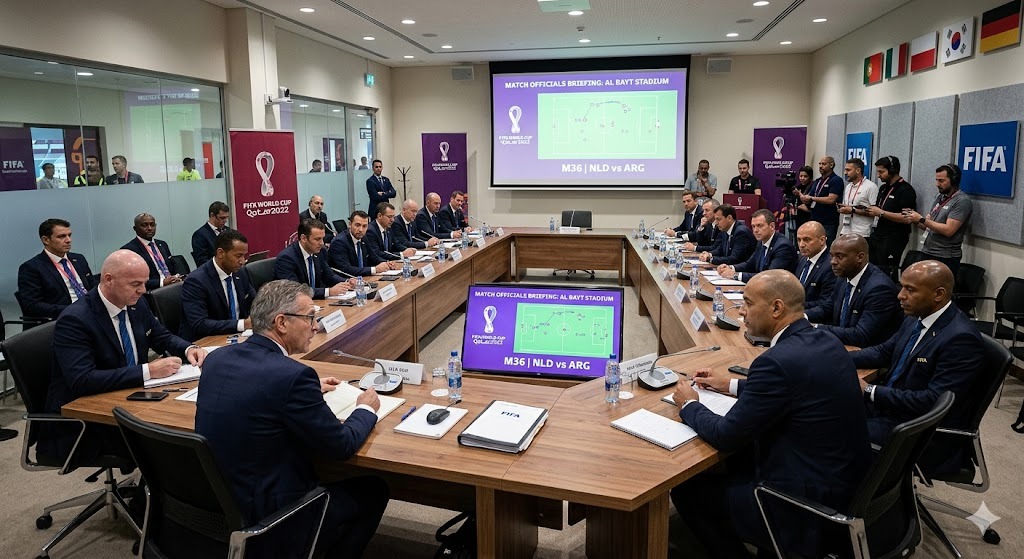
FIFA Faces an Awkward Situation
For FIFA, the incident creates an uncomfortable challenge.
The organization has spent years promoting football as a truly global sport, emphasizing inclusion and opportunities for participants from every region of the world.
The denial of entry to a FIFA-appointed official raises difficult questions about how major international tournaments function when host-country immigration policies intersect with sporting commitments.
While FIFA has not publicly criticized U.S. authorities, officials are reportedly reviewing the matter and discussing potential solutions should similar situations arise during future international competitions.
Back Home, a Hero’s Welcome
If the experience in Miami ended in disappointment, the reception in Somalia was very different.
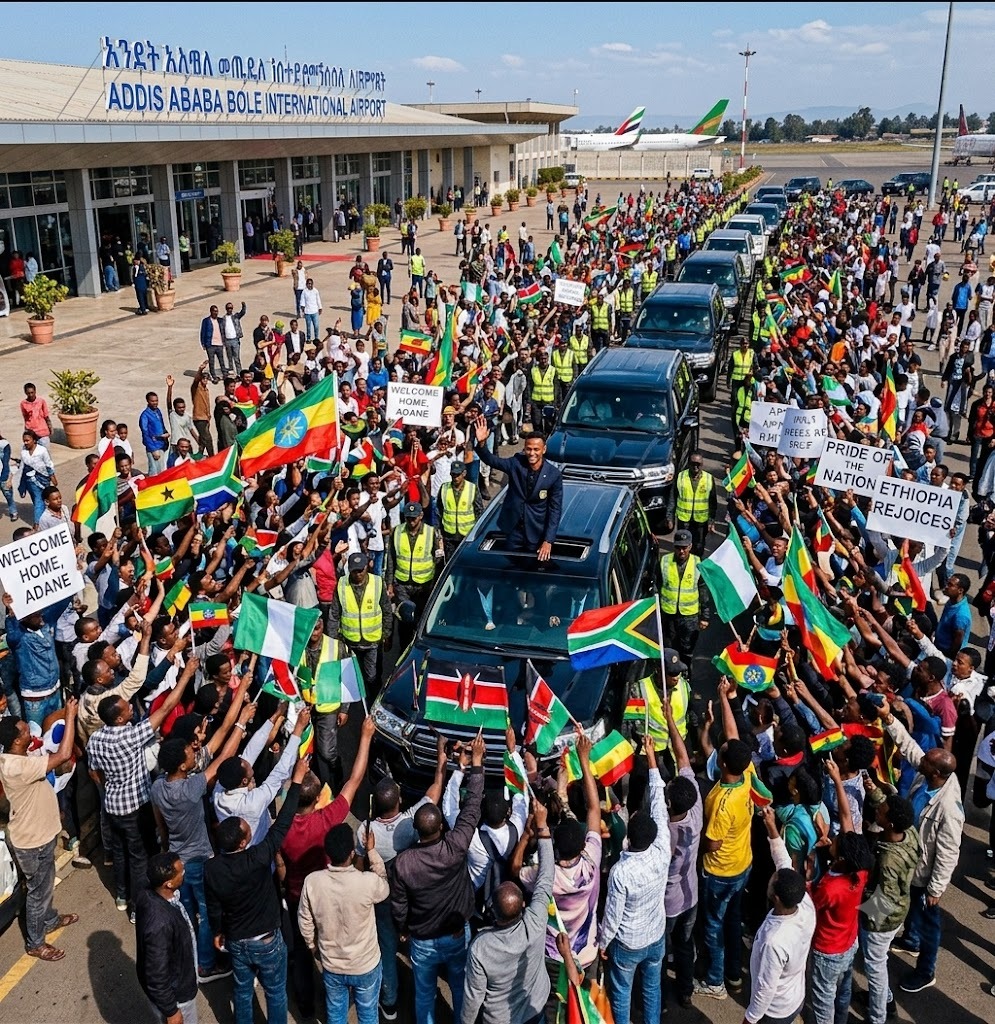
Upon returning to Mogadishu, Artan was welcomed by football officials, supporters, and local leaders. Crowds gathered to greet him at the airport, transforming what could have been a quiet return into a public show of support.
Representatives from Somalia’s football community praised his accomplishments and emphasized that his selection for the World Cup remained a source of national pride.
During a public appearance following his arrival, Artan thanked supporters and encouraged young Somali athletes to continue pursuing opportunities in international sports.
The emotional homecoming quickly became a symbol of resilience and national unity.
A Broader Question for the World Cup
Beyond the personal story, the incident has reignited debate about the challenges international sporting events face when hosted by countries with strict immigration and security policies.
Critics argue that participants officially approved by governing bodies such as FIFA should receive clear and consistent entry procedures.
Supporters of existing immigration rules counter that sovereign nations retain the authority to make independent security decisions regardless of an individual’s role in a sporting event.
The controversy highlights a growing tension between global sports organizations and national border policies — a challenge likely to become more prominent as international tournaments continue to expand.
The Bottom Line
Omar Artan’s story was expected to symbolize football’s ability to connect nations and create opportunities across borders.
Instead, it has become one of the most debated off-field stories of the 2026 FIFA World Cup.
Whether the decision was the result of security concerns, administrative complications, or broader immigration policies, the outcome remains the same: a referee selected for one of football’s biggest stages never got the opportunity to take the field.
For many observers, that reality raises questions that extend far beyond sport.
As the World Cup approaches, attention will remain focused not only on the matches themselves but also on how host nations balance security requirements with the inclusive spirit international competitions aim to promote.
Sources
[1] The New York Times . “Somali World Cup Referee Denied Entry to U.S. Returns Home to Hero’s Welcome.” June 10, 2026.
https://www.nytimes.com/2026/06/10/world/africa/somalia-referee-world-cup-artan.html
[2] Yahoo News / HuffPost reporting on Omar Artan and the alleged entry denial.
