There is something deeply human about believing that just a little more will finally make us feel secure. We save, plan, invest, and build for tomorrow—but what if tomorrow isn’t ours to control? Jesus told a story that gently yet powerfully challenges the way we measure success and reminds us of what truly lasts.
The Story of the Rich Fool
Jesus shared this parable after someone in a crowd asked Him to settle an inheritance dispute between brothers. Rather than acting as a legal judge, Jesus warned everyone to guard against greed. Life, He said, is not measured by the abundance of possessions.
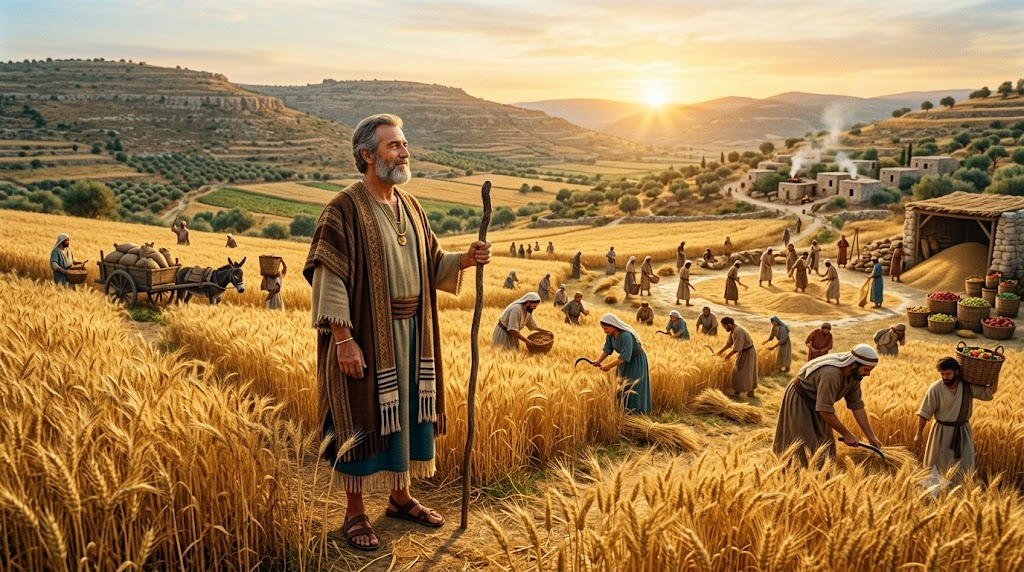
To illustrate His point, Jesus described a wealthy farmer whose land produced an exceptionally large harvest. The fields yielded so much grain that he faced an unexpected problem: he had nowhere to store it all.
Instead of considering how his abundance might bless others, the farmer focused entirely on himself. He began making plans.
“I know what I’ll do,” he thought. “I’ll tear down my barns and build bigger ones. Then I’ll have enough room to store all my grain and goods. After that, I can relax, eat, drink, and enjoy life for many years.”
His future looked perfectly secure—or so he believed.
Then the story takes a sudden and sobering turn.
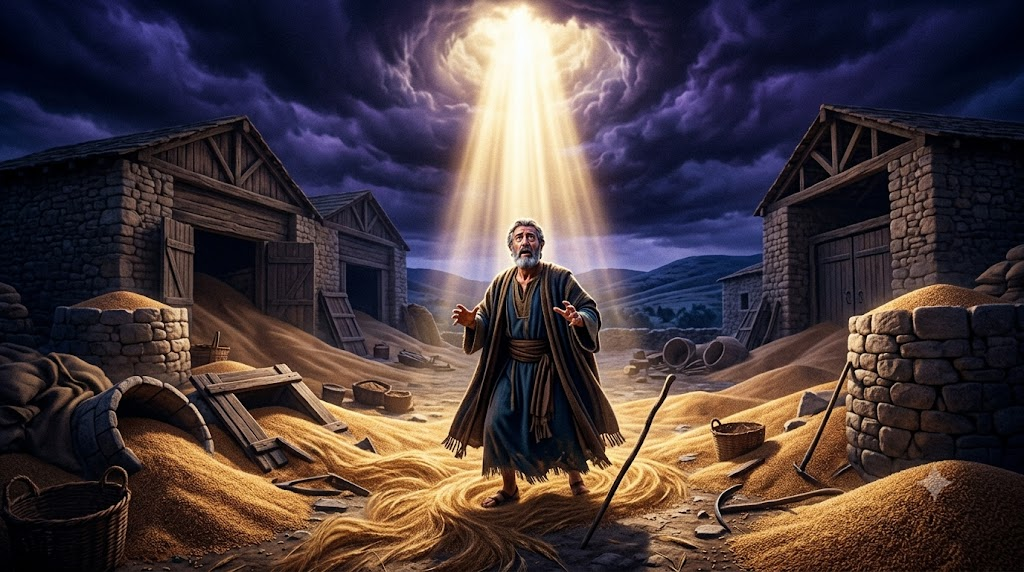
God said to him, “You fool! This very night your life will be demanded from you. Then who will get everything you have prepared for yourself?”
Everything the man trusted vanished in a single moment. His carefully laid plans, overflowing barns, and growing wealth could not buy another day of life.
Jesus concluded with a timeless warning: this is what happens to those who store up treasures only for themselves but are not rich toward God.
Bible Reference
Luke 12:16–21
Historical and Cultural Context
In first-century Judea, agriculture formed the backbone of everyday life. A plentiful harvest was often viewed as evidence of God’s blessing, and successful farmers enjoyed respect within their communities. Building larger storage barns was not unusual for prosperous landowners who expected future abundance.
Yet Jesus’ audience would have noticed something striking about the farmer’s inner conversation. Throughout the parable, he repeatedly uses words like “I,” “my,” and “myself.” His entire vision of prosperity revolves around personal comfort, with no mention of gratitude to God or generosity toward others.
A lesser-known detail adds even greater depth. Grain storage in the ancient world represented more than food—it symbolized long-term security and financial power. Stored grain could be sold later at higher prices during shortages, making wealthy landowners even richer. Jesus wasn’t condemning wise planning; He was exposing the illusion that material security can replace dependence on God.
What This Parable Teaches Us
The Rich Fool reminds us that success is not measured simply by what we accumulate. Possessions can be useful gifts, but they become dangerous when they become the foundation of our identity or hope.
First, earthly wealth has limits. Money can provide comfort, opportunities, and resources, but it cannot guarantee tomorrow. Every life ultimately rests in God’s hands, not in bank accounts or investments.
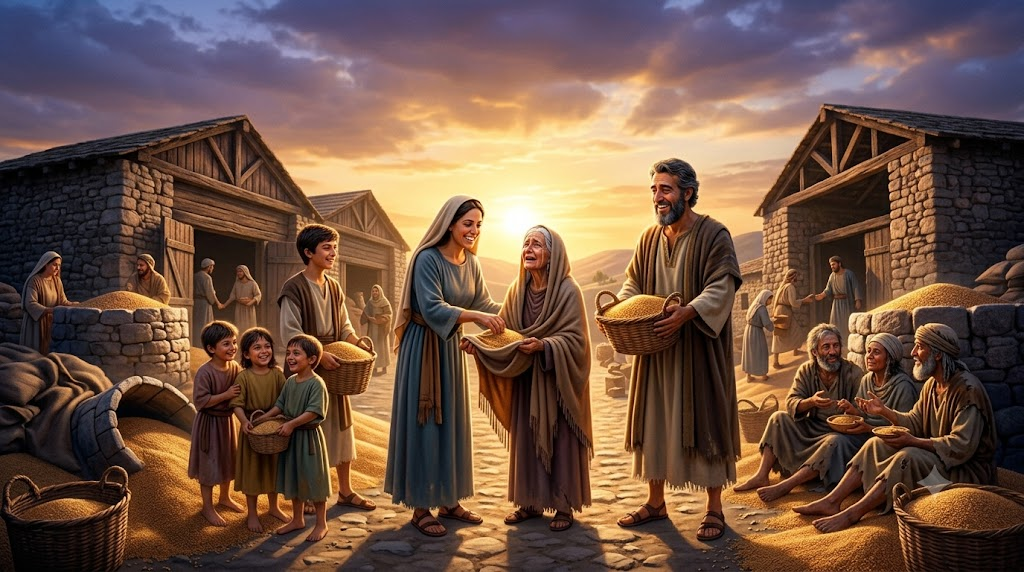
Second, gratitude should lead to generosity. The farmer never considered sharing his unexpected abundance with neighbors, the poor, or those in need. God’s blessings are often meant to flow through us, not stop with us.
Third, being “rich toward God” means investing in what has eternal value. A heart shaped by faith, compassion, humility, and love leaves a legacy far greater than full barns or growing portfolios.
A Question for Reflection
If God looked at the plans that occupy most of your thoughts today, would they reveal someone who is merely storing up treasures on earth—or someone who is becoming rich toward God?
Final Thoughts
The Parable of the Rich Fool isn’t a warning against hard work or responsible planning. It is an invitation to examine where we place our deepest trust. Jesus reminds us that life is more than possessions, achievements, or financial security. When our hearts are anchored in God, we discover a kind of wealth that cannot be lost overnight.
If this reflection encouraged you, consider subscribing for more daily Bible parable studies. Share this post with a friend or family member, and leave a comment below: What does it mean to you to be “rich toward God” in today’s world?
